
On this page you will find:

Stigma and discrimination
The word and topic of suicide can make many people uncomfortable. There is still stigma attached to suicide with associated feelings of shame, weakness, blame, or even crime. This stigma can stop people from talking about their feelings, and seeking or offering help.
It is vital that as a community we challenge the stigma and discrimination linked to suicide. Doing so could save lives.
To read more about stigma and discrimination linked to mental health, visit our mental health: challenging stigma page.
Challenging stigma
Here are some ways you can help to challenge stigma:
- Speak out – this can involve making a statement or doing an action which shows your disapproval or objection. It is possible to make small, individual stands like speaking out or signing a petition.
- Show people reliable and accurate information – this can help people to understand more, making them less likely to judge. The Start a Conversation website provides reliable information and signposting.
- Talk about your experience – sharing your story and having more conversations about mental health and suicide can help to improve people's understanding. This could involve joining a panel or network, such as the Leicester, Leicestershire and Rutland Suicide Lived Experience Network, that aims to listen to lived experience and use it to improve outcomes. You can find more information on our suicide lived experience network page.
- Get involved in a campaign – use Start a Conversation resources or join the campaign to help raise awareness.
Myths about suicide
There are a number of thoughts linked to suicide that are just myths. One way to help yourself and those around you is to make sure you understand the facts. Take a read through some of these myths below.
You can find more myths that have been busted on the Samaritans website.
Suicide safer language
A suicide is everyone's business, so it is important as a community that we use the appropriate language when talking about suicide to help prevent further hurt and loss.
Below is our guide which highlights the most common phrases and language which can be problematic, especially in promoting negative stereotypes, alongside some preferred alternatives.
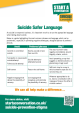 Suicide safer language (PDF, 151 Kb)